Whatsapp Enquiry

image

local attractions

image

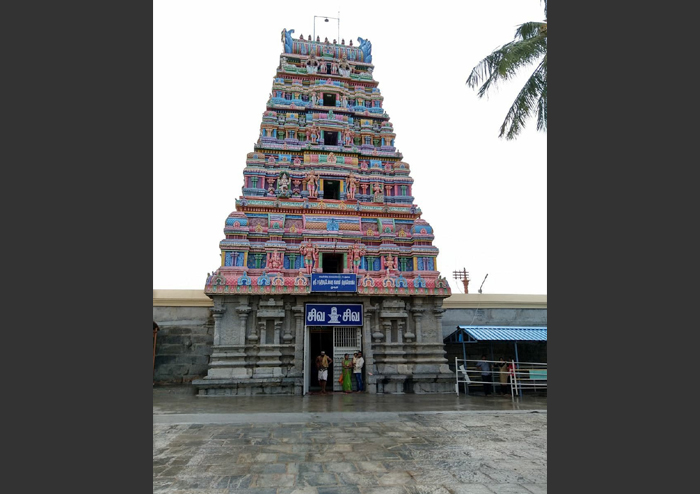
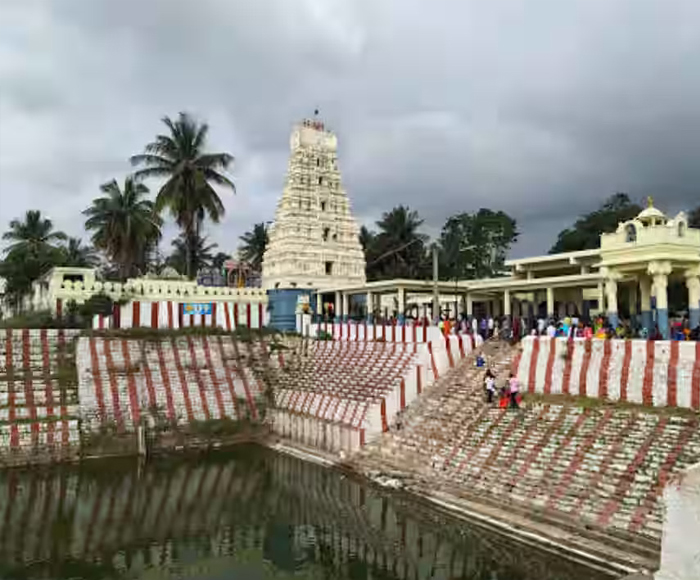
ChandraChoodeswarar Temple, Hosur

An ancient Shiva temple located on the top of a rocky hill set to have been built by the Cholas, and believed to be about 900 years old as temple as grown with endowments by the Cholas, the Hoyaslas and the Vijayanagara empires. It has stone inscriptions from this period. Shiva is worshipped as the lord who wears the moon and Parvathi as Maragatha ambal.

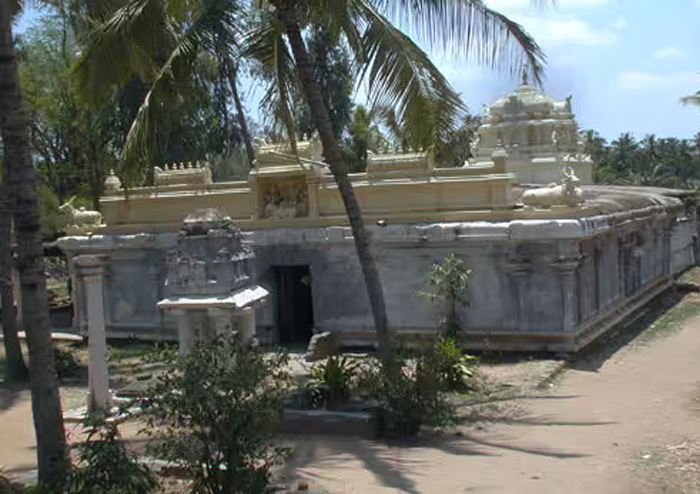
Sri Iravadeswarar Temple, Athimugam

An old Shiva Temple estimated to be about 1000 years old and is located at a place called Athimugam about 20 kms from Hosur. It is said that Lord Indra and his Vahana Iravadham worshipped lord Shiva here and got rid of Brhamahati dosham. The shivalinga is said to have a face of an elephant which is an extreme rarity.

image
image

Betraya Swamy Temple, Denkenikottai

is dedicated to the Hindu god Vishnu. It is located 30 km from Hosur. The temple is classified as one of the 108 Abhimana Kshethram of Vaishnavate tradition. The temple is constructed in the Hoysala style of architecture and is dedicated to Vishnu who is worshipped as Devaperumal and his consort Lakshmi as Soundaryavalli in this temple. As per Hindu legend, Venkateswara believed to have appeared for the sage Kanva to save him from the yaksha Devandagadagan. A granite wall surrounds the temple, enclosing all its shrines. The temple has a five tiered rajagopuram, the temple's gateway tower. The Wodeyars of Mysore commissioned pillared halls and major shrines of the temple during the 16th century.

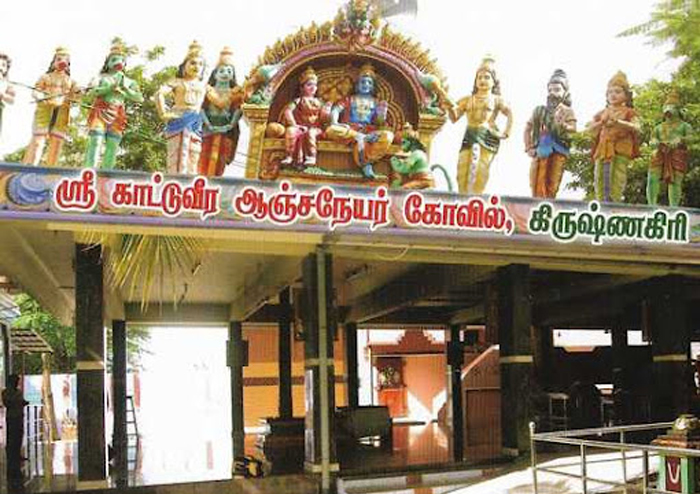
Kattu Veera Anjenaya Temple, Krishnagiri

Anjaneyar temple located at Krishnagiri, 50 kms from Hosur. It is said to be 2500 years old and it is said that if one wishes and prays with full devotion, the wish will come true within 3 months. The devotee has to complete 11 rounds of the temple chanting the mantra “Sri Ram Jai Ram Jai Jai Jai Ram” along with a saffron bag purchased at the counter. It is then kept along with the other devotee’s bags separately for 3 months. It is believed that once the wish is fulfilled you are expected to return and claim the saffron bag from the temple.

image
image

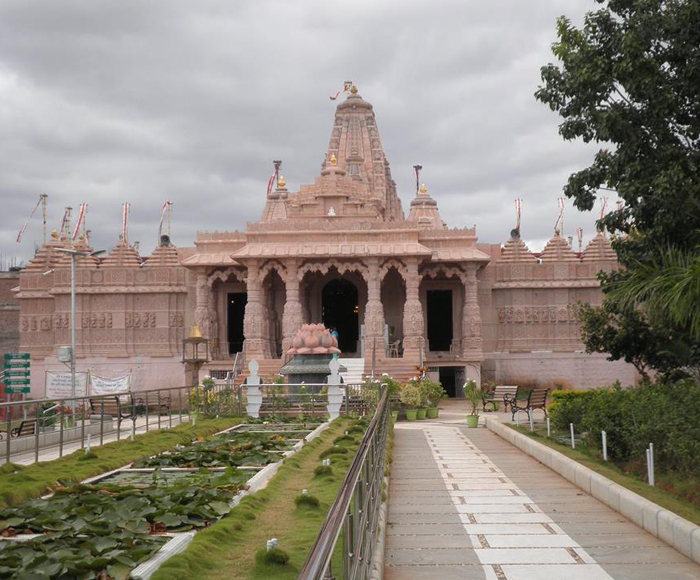
Shree Parshwa Padmavathi Shaktipeet Tirth Dham, Orappam

A sacred site for followers of Jainism, known for its spiritual retreat and serene surroundings. It is situated in Orappam village, 57 kms from Hosur and is a spiritual organisation established by His Holiness Sri Sri Sri Vasanth Gurudev Ji. The 23rd tirthankaras of the 24 tirthankaras, Sri Parshwanath Bhagwan, in the holy dharma of Jainism, is worshipped in the temple. The organisation promotes peace and harmony, ideals that the temple personifies and embodies. The temple while being colourful and festive is a sanctuary of peace and quiet motivating devotees to find their own inner peace and calm.

Eco Tourism park Aiyur

The Aiyur reserve forest is located 43 kms from Hosur in Denkanikottai taluk, and is 1060 mts above the sea level in western Ghats region. Forest department has created 1) Eco Tourism park in Aiyur – here we can find out bamboo cottages, heritage cottage, modern cottages and dormitory, modern watch tower, tree top watch tower. Children playgrounds, gardens artificial waterfalls are the main attraction of the park. 2) Sathankal – Watch tower 3) Green valley views are seen from sunai parai, and kodikarai and 4) Evergreen cool forest (shola forest) called as “Allal Thoppu” as trees like Allal and naki combined together spread their leaves as a shield and sun light is unable to penetrate to the ground. This forest region always cool and chill throughout the year.

image
image

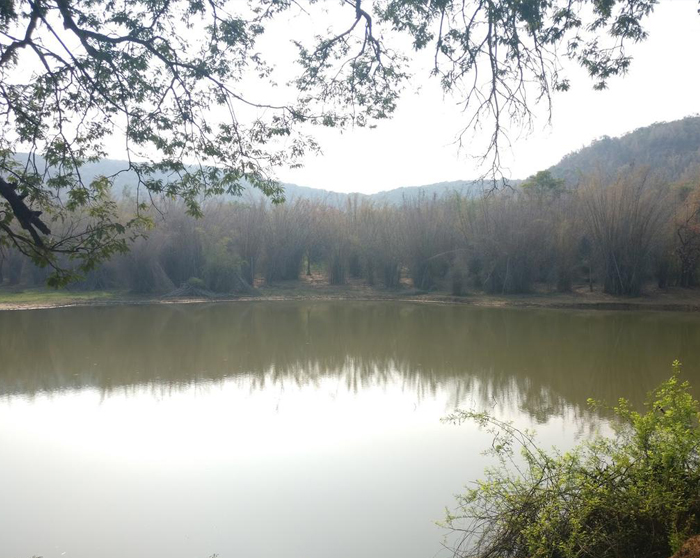
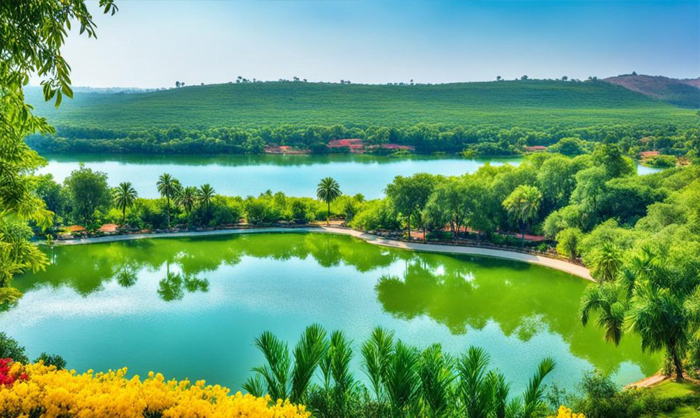
Thally Garden and lake

is located 25 kms from Hosur. Thally village is fully surrounded by number of hill stations in Denkannikottai taluk and the place is located 1000 ft above the sea level. It has a salubrious weather and so the British remembering England climate called it as “Little England”.

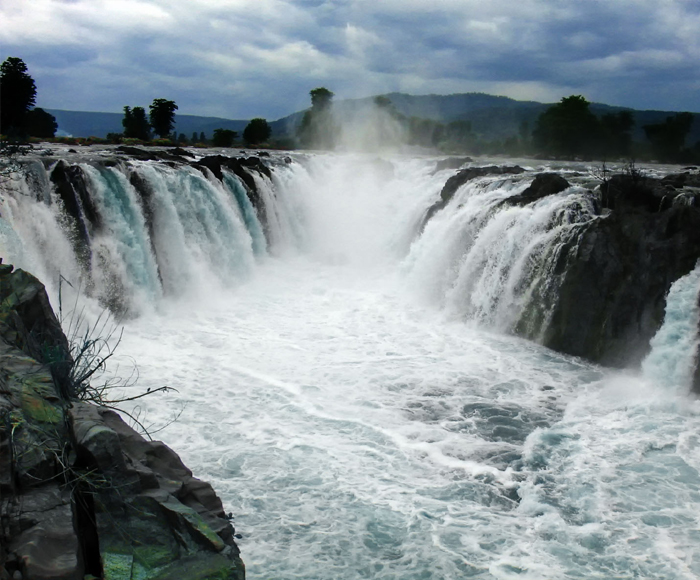
Hoganekkal Falls

is a waterfall on the Kaveri river located 90 kms away from Hosur on the border between Tamil Nadu and Karnataka. Carbonatite rocks in this site are considered to be the oldest of its kind in South Asia and one of the oldest in the world. Hogenakkal falls is mentioned in Sangam Literature as Thalaineer aruvi. All the areas around these waterfalls are called Thalaineer Naadu. It was ruled by the King named Adiyaman Neduman Anji. References to this King and the Falls are found in the Sangam Literature like Purananooru, Agananooru and Kurunthongai. The place came under the rule of the Mysore Kingdom from 1652 to 1768 and during when many Kannadigas were employed and settled here for tax collection work.

Due to this reason, the pure Tamil name of the place Uguneer Kal became Hogenakkal. The name Hogenakal is derived from Kannada means ‘Smoky Rocks’. The river when falls on the rock below, the gushing force of water resembles like smoke emanating from the rocks. It is also called as Marikottayam by the people of Tamil Nadu. The Kaveri as it flows down from Talakaveri in the Brahmagiri hills becomes larger as various tributaries feed into it on the way down. At Hogenakkal, the Kaveri, now a large river, drops and creates numerous waterfalls as the water cuts through the rocky terrain. In places the water falls are as much as 20 m (66 ft) and sound like continual thunder. At Hogenakkal the river spreads out over a wide area of sandy beaches, then flows south to the Mettur Dam and creates a 160 km2 lake called Stanley Reservoir which was built in 1934 for irrigation and hydel power. It is a popular tourist destination and is known for its coracle rides, oil massage and outdoor fresh catch cooking.

image
image

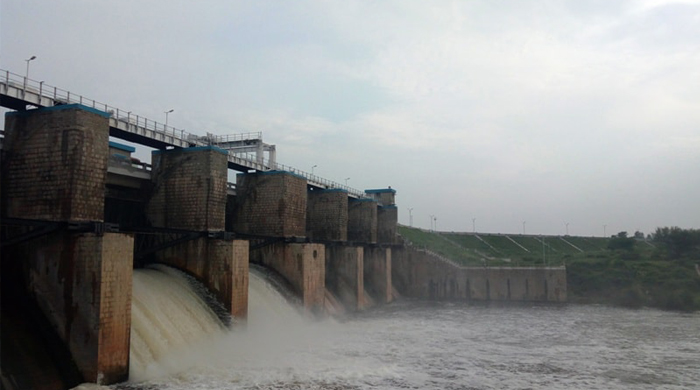
Kelvarapalli Dam

is located 10 kms from Hosur and was constructed in the year 1995. The dam park is a picnic spot

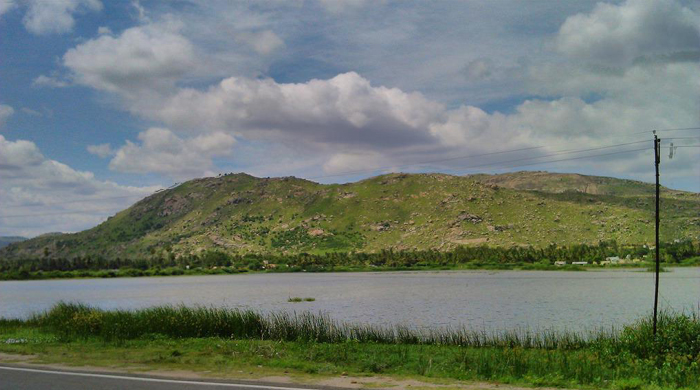
Avathanapatti Boat House

Krishnagiri is a picnic spot located 55 kms from hosur alongside the Krishnagiri Salem National Highway. It has picturesque surroundings and recreational activities like boating and fishing and a children’s park.

image
image

Rayakottai Fort

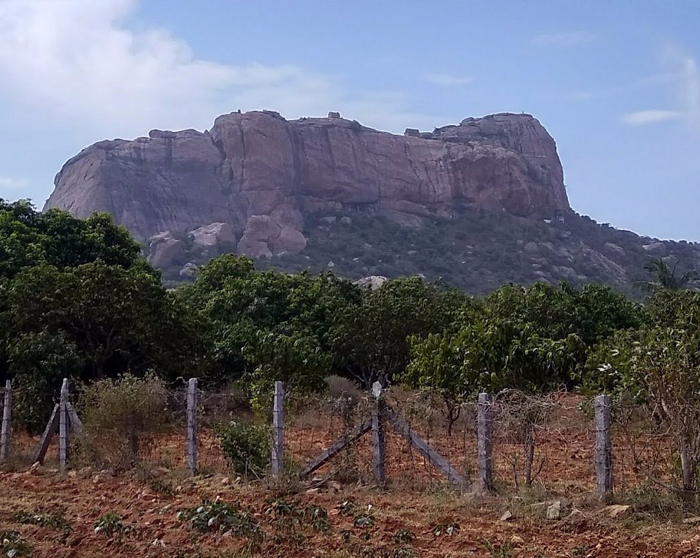
is located 36 kms from Hosur and it is a hill trek. It is a culmination of climbing stairs, walking on a normal path, visiting temples, exploring caves. It is declared a protected monument by the ASI of India. It is offbeat and gives incredible views with a throwback to history. It is said that the fort was initially built by Jagadeva Raya, a Palegara of Channapatna town in Ramanagara district, thus the name ‘Raya Kottai’. Later, Hyder Ali and Tipu Sultan ruled this fort in the 18th century. The fort was captured by Major Gowdie during the Third Anglo-Mysore War in 1791. According to the Treaty of Srirangapatna, this fort came into the hands of the British. The trek is meant for people who appreciate raw nature, history buffs, photographers and trekkers. Being an easy trek, it is equally suitable for beginners and experts.

Krishnagiri Fort

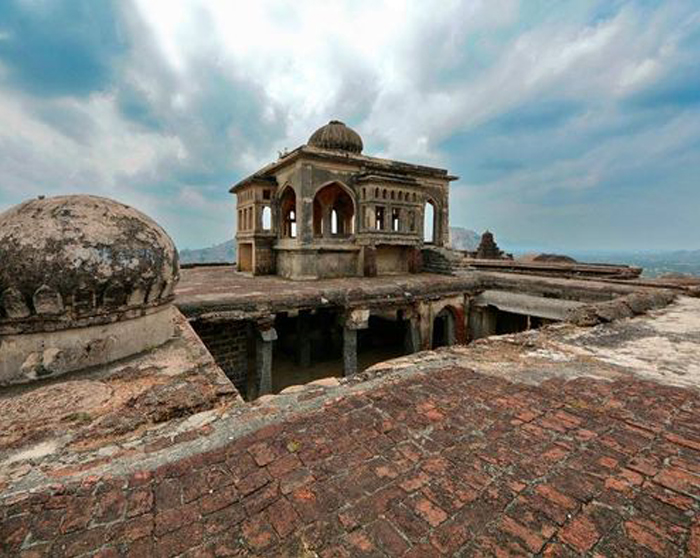
is about 50 kms from Hosur. It is a formidable historical stronghold that has witnessed the ebb and flow of various dynasties and colonial powers. This fortification, now preserved as a national monument under the auspices of the ASI holds a rich history dating back centuries. The fort and its surroundings were commonly referred to as "Baramahal," a term that linguistically translates to "twelve forts." This nomenclature reflects the presence of twelve hilltop forts in the region, including Krishnagiri Fort. This majestic fort was built under the aegis of the Vijayanagara Empire. Jagadevarayar-I, a prominent chief of the Vijayanagara Empire, undertook a strategic migration from Hyderabad to Penukonda. Renowned for his exemplary valor, he played a crucial role in confronting and defeating the forces of the Bijapur army. The extraordinary bravery displayed by Jagadevarayar-I caught the attention of Ranga Raya-II, a representative of the Vijayanagara Empire stationed at Chandragiri.

In recognition of his exceptional contributions, Ranga Raya-II granted him the governance of the Baramahal territory. Under his leadership, this formidable fortress, alongside other Baramahal forts, played a pivotal role in securing the region from invading armies, earning it the title 'Gateway of Tamil Nadu' and leaving an enduring imprint on the historical legacy of the Vijayanagara Empire. In the 1670s, the Maratha leader Shivaji captured the Krishnagiri Fort during his Deccan expedition and the nearby MaharajaKadai Fort served as a trade post for the Marathas during this period.

image

During the 18th century, the fort faced yet another change in rulership when Hyder Ali, on the orders of Chikka Devaraja Wodeyar, the King of Mysore, captured the fort and the wider Baramahal region. Later, Hyder Ali usurped control of these territories from the Mysorean monarchy and established his own capital in Srirangapatna. In 1768 AD, Krishnagiri Fort surrendered to the British forces following a protracted blockade during the First Anglo-Mysore War. Subsequently, Hyder Ali reclaimed control of the fort, culminating in the Treaty of Madras. In 1792 AD, following Tipu Sultan's defeat in the Third Anglo-Mysore War at the hands of the Presidency armies and the subsequent signing of the Treaty of Srirangapatna, the East India Company assumed control of Krishnagiri Fort.

Captain Alexander Reed was appointed as the first District Collector of the region. The British strategically maintained Krishnagiri Fort as an arsenal, employing it as a pivotal defense structure to safeguard the region. However, following the events of the Sepoy Mutiny in 1857 AD and the subsequent transfer of control of India from the East India Company to the British Empire, the fort gradually lost its military significance. By 1900s, with the British rule firmly established in the region and no imminent threats, the fort fell into disuse. Finally, in the aftermath of India's independence in 1947 AD, Krishnagiri Fort came under the jurisdiction of the Indian government.

image

Mallachandram

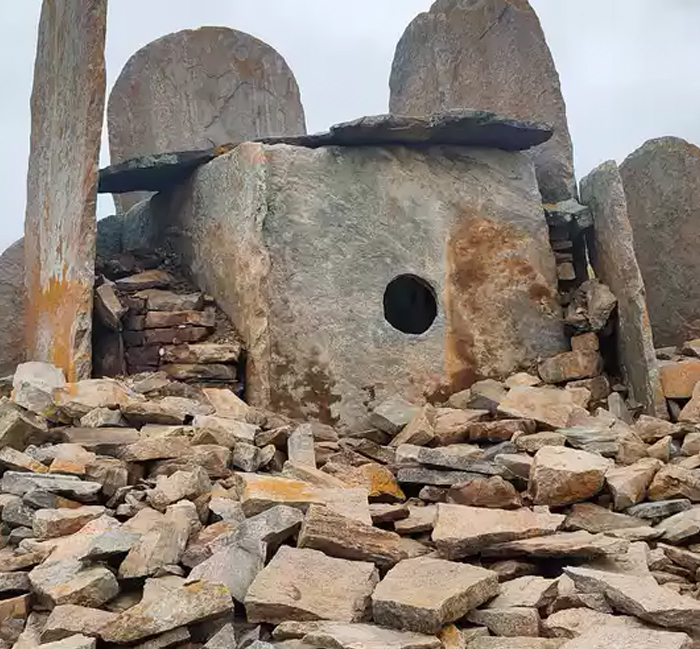
is a protected site maintained by the ASI and is a must visit site for lovers of history and archaeology. It is 36 kms from Hosur is well-known for the Megalithic (large stone that is used to construct a structure) specimens called dolmens. It is world-renowned for being the site of more than a 100 dolmens. These dolmens are the burial chambers of the megalithic people. The Ancestors cult was worshiped by the Megalithic people in the ancient period. As the term megalithic suggests, the dolmens usually have a large capstone that is supported by three or more stone pillars. The structures, however, vary in their complexity and numbers across the world. Mallachandram has clusters of dolmens and one may observe a large dolmen surrounded by smaller dolmens in concentric circles. Three kinds of memorials are observed and they were named a Cairn circle, Dolmen and Urnburials. Few dolmens are having white colour painting in the western orthostatic and it is facing in the eastern side. These painting are painted in the megalithic period.

Rajaji Memorial House

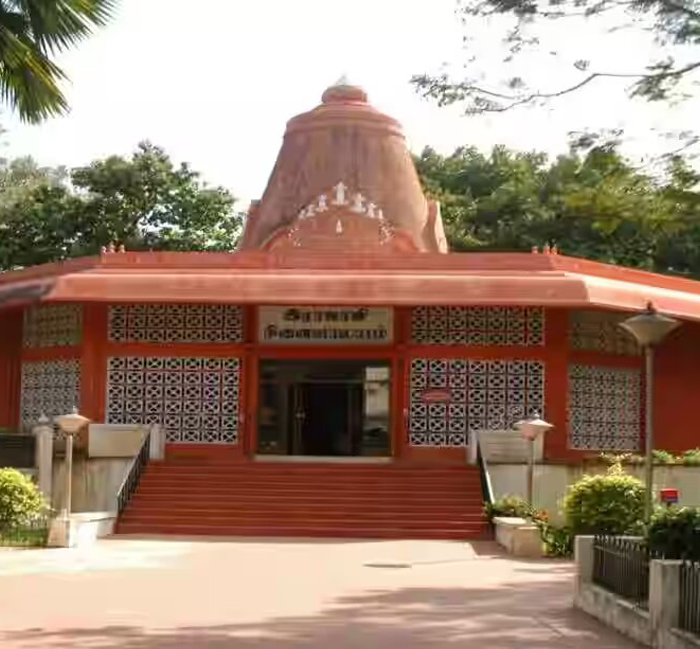
in Thorapalli (11 kms from Hosur) is the house that Chakravarthi Rajagopalachari (10 December 1878–25 December 1972) was born and raised till he was 11 years old. Rajaji was a freedom fighter, chief minister of Tamil Nadu, leader of the Indian National Congress, minister for home affairs of the Indian union, the governor of West Bengal and premier of the Madras Presidency. C. Rajagopalachari was the first Indian viceroy and the last governor general of India. Rajaji, fondly remembered as the Mango of Salem, was the recipient of the Bharath Ratna award. Rajaji was a virtuous leader who did complete justice to whatever position he occupied. The memorial, with his belongings and his life story, immortalised in photographs, keeps his legacy alive.

image
image

Government Museum, Krishnagiri

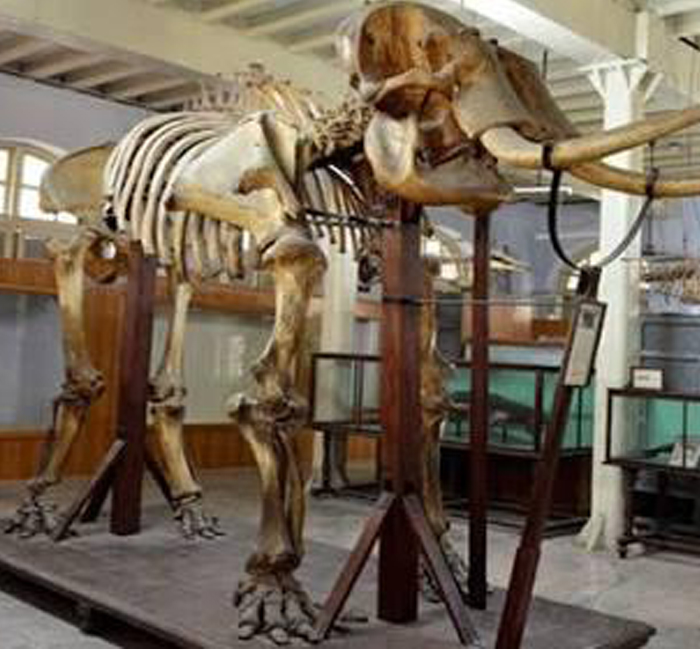
It is 50 kms from Hosur and exhibits objects of Art and Archaeology, Anthropology, Geology, Botany and Zoology disciplines. Most important exhibits of this Museum are the Hero Stones, which were collected from different parts of this district. Visitors can have the Knowledge of history of Krishnagiri district from as early as Paleolithic period through Neolithic and Megalithic to modern period by the exhibits displayed here. Paleolithic tools collected from Varattanappalli and Kappalvadi, Neolithic tools collected from Katheri, Gangaleri, Thogarapplli, Paiyur, Kokkikalpodu, Modhur, Gollahalli and Vellolai are displayed.

Two Cannons of about 18th century from Bujjagoundanpudur and Hosur are displayed here. Swords, Dagger, Knife with cover, Cannon balls made of stone, Gun powder Gun are other weapons displayed In this Museum. Photographs of Krishnagiri, Thattakkal, Jegadevi and Maharajakadai forts tell the story of militancy of this area during 16th to 19th centuries. One can also see Centuries old Terracotta figurines, Tiles of roofs and Palm leaf Manuscripts displayed here.